
Claude skills directory
Short answer
A Claude skills directory is a browsable catalog of reusable instructions for Claude and other agents, with links to their sources. AgentSkillsDir is an independent, source-linked directory for discovering Claude and Codex skills, plus separate MCP server and agent collections. It is not Anthropic’s official documentation or a hosted runtime.
How to use itBrowse by task, open a skill card, then review its source and follow the upstream installation instructions for your client.
- 327 entries
- 33 publishers
- 323 with an open license
- Checked 17 Oct 2026 – 1 Nov 2026
All Claude skills
327 entries, metadata checked 17 Oct 2026 – 1 Nov 2026
Use case
Productivity113Development72Security analysis69Scientific research65Threat detection18Incident response & forensics17Creative tools15Cloud & infrastructure security12Application & supply-chain security10Identity & email security3Integrations3OT & ICS security3Publisher
alirezarezvani45phuryn35anthropics12kepano6addyosmani3mattpocock2artouc1assafkip1DietrichGebert1FeedHive1Fission-AI1garrytan1GhostPawJS1K-Dense-AI1lemomo-ai1vercel-labs10xS4N4TG0AirsupHQ0alchaincyf0cloudflare0cursor0debpalash0EL4CTEO0Garinmckayl0Graphify-Labs0heydamir0Jakeschincariol0juliobsz0Leonxlnx0mukul9750tt-a1i0wheresryan220Yuan1z08250Community first · Anthropic official entries follow. Sort applies within each group.
 grill-meThe grill-me skill from mattpocock/skills (MIT): type /grill-me with a loose idea and the agent interviews you in rounds until you can commit. Not a code generator. Install it together with its grilling dependency.
 PonytailThe Ponytail skill from DietrichGebert/ponytail (MIT): a “lazy senior” coding mode that makes Claude Code, Codex, Cursor and other agents ship the smallest complete change. Levels lite, full and ultra, plus /ponytail-review and /ponytail-audit. Not a hairstyle guide.
 GhostPaw CodexLocal memory for AI agents in one SQLite file.Local dependencies
 OpenSpecA lightweight specification workflow that aligns a proposed change, its design and tasks before implementation.
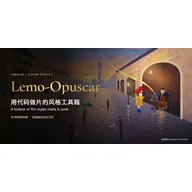 Lemo-OpuscarA code-driven film toolkit with 59 documented styles, guides and rendering tools for creating short films with a coding agent.Local dependenciesExecutes code
 gstackGarry Tan’s Claude Code skill set with role-based tools for planning, design, engineering review, QA, release and docs.
 Skills for Real EngineersComposable engineering skills for requirements, test-driven development, architecture review and turning plans into small tasks.
- ab-test-analysisInterprets A/B experiment results using sample-size and uncertainty checks, producing a supported ship, extend or stop recommendation.
- ansoff-matrixMaps growth options across existing and new products and markets, making the assumptions behind each Ansoff strategy explicit.
- beachhead-segmentCompares potential launch segments by pain, purchasing capacity and reachable market share, selecting a focused first market to validate.
- brainstorm-okrsTurns company priorities into team-level objectives and measurable key results, supporting a focused quarterly goal discussion.
- business-modelDescribes how a business creates and captures value through the nine Business Model Canvas sections, revealing dependencies for further validation.
 ClaudemyResurfaces web research as short audio lessons, source-linked lesson cards and a reusable course playbook.
- cohort-analysisOrganizes engagement and retention data into cohorts, comparing segment trends to expose differences hidden in aggregate product metrics.
- create-prdBuilds a lean product requirements document from product context, organizing objectives, users, value and solution decisions into a reviewable brief.
- draft-ndaStructures an NDA draft from the parties, information types and jurisdiction, marking clauses that need qualified legal review before use.
- grammar-checkChecks supplied prose for grammar, logic and flow, suggesting localized corrections that preserve the author's wording and intended argument.
- growth-loopsExplores recurring growth mechanisms around a product's user behavior, comparing candidate loops and the conditions each needs to sustain itself.
- interview-scriptBuilds a customer-interview script around jobs and real experiences, avoiding leading questions and premature product pitching.
- job-storiesTranslates customer situations and motivations into job stories, adding expected outcomes and acceptance conditions for product-backlog discussion.
- metrics-dashboardPlans a product metrics dashboard with named data sources and alert rules, tying each measure to an operational or product question.
- monetization-strategyDevelops monetization options for a product and audience, pairing each proposed revenue model with fit assumptions, risks and validation experiments.
- north-star-metricDefines a product's North Star metric and supporting inputs, checking whether the measurement reflects the value users receive.
- outcome-roadmapRewrites a feature-output roadmap around intended outcomes, connecting proposed initiatives to user and business changes rather than deliverable counts.
- pre-mortemChallenges a PRD or launch plan with a pre-mortem, grouping possible failures and identifying which risks could block launch.
- pricing-strategyExamines pricing models, competitors and willingness-to-pay evidence, producing a pricing design whose uncertain assumptions remain visible.
- prioritization-frameworksCompares prioritization frameworks and their required inputs, helping a team select an approach suited to its decision rather than a universal score.
- product-strategyOrganizes product strategy around target segments, value, capabilities and tradeoffs, connecting a vision to the choices required to pursue it.
- release-notesConverts tickets and change records into user-facing release notes, organizing concrete changes by type and explaining their effects.
- retroFacilitates a sprint retrospective from team observations, producing prioritized improvements with owners and follow-up actions.
- review-resumeReviews a product-management resume against a target role, improving evidence, structure and relevance without inventing experience.
- sentiment-analysisAnalyzes feedback for sentiment and customer-job patterns, organizing evidence about satisfaction across distinct user segments.
- sprint-planBuilds a sprint plan from capacity, candidate stories and dependencies, exposing delivery risks before the team commits to scope.
- stakeholder-mapMaps stakeholders by influence and interest, producing targeted communication approaches and a plan for keeping relevant people informed.
- startup-canvasCombines product strategy and business-model questions in a startup canvas, separating strategic choices from revenue and cost assumptions.
- strategy-red-teamStress-tests a product strategy's key assumptions, ranking plausible failure modes and inexpensive validation checks before delivery investment.
- summarize-interviewSynthesizes a customer interview into a structured record of jobs, satisfaction evidence and follow-up actions for product discovery.
- summarize-meetingTurns a meeting transcript into structured notes with decisions and assigned actions, keeping discussion context available for later follow-up.
- user-segmentationGroups users by behavior, needs and feedback evidence, producing actionable segments instead of treating the entire audience as one persona.
- user-storiesWrites backlog stories with acceptance criteria and supporting design context, applying story-quality conventions to make work discussable and testable.
- value-prop-statementsTurns an existing value proposition into customer-facing statements for marketing and onboarding, adapting wording to specific audience decisions.
- value-propositionDevelops a detailed customer value proposition by comparing the user's situation, desired change and alternatives before shaping the offer.
- wwasStructures a backlog item as purpose, change and acceptance conditions, connecting product intent to an independently testable piece of work.
- idea-refineDevelops an unclear idea through alternatives and assumption checks, ending with a more concrete concept that can guide further work.High static risk — review source first
- interview-meUses a sequential interview to clarify a request's underlying goal, resolving uncertainty before treating an initial solution idea as a specification.
- using-agent-skillsMatches the current task to available agent skills, explaining when an existing workflow should be loaded and used.
 AI Slop DetectorChecks drafts against 120 recurring writing patterns and suggests plain rewrites with examples.
- markitdownConverts supported documents and selected web inputs to Markdown with MarkItDown, preparing readable text for search, analysis or retrieval ingestion.High static risk — review source first
 stop-describing-uiReviews interface text for redundant explanations and replaces them with clearer labels, controls or spacing.
- find-skillsFinds existing agent skills for a requested capability, helping users compare relevant candidates before choosing whether to install one.
- defuddleExtracts the main readable content of an HTML page into Markdown with Defuddle, reducing surrounding page markup for subsequent reading or analysis.
- json-canvasCreates visual knowledge maps as JSON Canvas files, representing supplied concepts through editable nodes, groups and connections.
- knapCombines structured data with Knap templates to render Markdown notes, supporting repeatable document creation from JSON or CSV inputs.
- obsidian-basesDefines Obsidian Base files with filters, formulas and views, turning existing note properties into configurable database-style displays.
- obsidian-cliUses Obsidian's CLI to manage vault notes and properties, with additional commands for inspecting and developing plugins or themes.
- obsidian-markdownWrites Obsidian-compatible notes with properties, wikilinks, embeds and callouts, preserving syntax needed for the vault's linked reading experience.
- ad-creativeDevelops paid-ad headlines and copy variants from a campaign brief, supporting creative iteration across messages and audience angles.
- business-name-fitEvaluates business-name candidates against a founder's cultural identity and target markets, balancing personal meaning with professional usability.
- c-level-skillsRoutes a management question through the C-level advisory bundle, helping select the relevant executive role or cross-functional workflow.
- caio-reviewQuestions an AI feature plan about model choice, evaluation, regulation and economics, making evidence gaps visible before an executive approves it.
- captureOrganizes an unstructured brain dump into actionable items and reference material while retaining the information supplied in the original notes.
- chief-ai-officer-advisorEvaluates startup AI strategy across sourcing choices, regulation and cost, preparing decision support for an executive rather than implementation code.
- chief-customer-officer-advisorUses retention and customer-segment evidence to examine customer strategy, separating churn causes from headline revenue-retention figures.
- cmo-advisorConnects brand positioning and growth choices to marketing budgets and team design, preparing a coherent marketing leadership plan.
- cmo-reviewChallenges positioning and campaign plans through customer definition, narrative and channel fit, identifying weaknesses behind an unclear marketing message.
- collab-proofReviews a human-agent work session to distinguish contributions and decisions, producing a retrospective grounded in collaboration evidence.
- commercial-forecasterBuilds a bookings or recurring-revenue forecast from pipeline assumptions, separating committed outcomes from optimistic and pipeline-only scenarios.
- competitive-teardownCombines public competitor signals from pricing, reviews and hiring into a structured comparison, keeping observations separate from inferred strategy.
- compliance-readinessQuestions a compliance program about its scope, readiness and evidence, highlighting decisions needed before an audit or a new framework rollout.
- content-creatorRedirects older content-creator requests to more specific writing or marketing workflows, preserving compatibility with a retired entry point.
- copywritingRewrites product-page and landing-page copy from a marketing brief, clarifying the offer and the visitor's next action.
- cpo-advisorExamines product vision, portfolio choices and evidence of market fit to support product-leadership decisions and organizational planning.
- decideRecords a founder-approved decision memo in the executive memory system, keeping its approved outcome separate from discussion transcripts.
- decision-loggerSeparates raw meeting transcripts from approved executive decisions, retaining a decision history that can be reviewed without confusing drafts with commitments.High static risk — review source first
- eu-ai-act-specialistMaps an AI system and its evidence to operational EU AI Act questions, organizing risk classification and compliance work for specialist review.
- executive-mentorStress-tests a founder's plan or difficult decision, surfacing tradeoffs and questions for board preparation or a retrospective.
- handoffCondenses a working conversation into a continuation document, recording task state and next actions while removing secret values.High static risk — review source first
- iso42001-specialistReviews an AI management system against ISO 42001 requirements, organizing clause-level evidence gaps and remediation priorities for internal audit preparation.
- knowledge-opsCreates and checks internal procedures from an operations brief, producing maintainable SOPs and runbooks for recurring company work.High static risk — review source first
- linkedin-analyticsAnalyzes a user's LinkedIn performance data to distinguish post-level patterns from noise and formulate a testable explanation for reach changes.
- linkedin-strategyPlans LinkedIn positioning, content themes and publishing cadence around a professional goal, producing a sustainable channel plan rather than individual posts.
- llm-wikiTurns source material into a maintained Obsidian knowledge base, managing concept pages, cross-links and source ingestion over time.High static risk — review source first
- local-seo-managerReviews local-search visibility for service-area businesses, connecting business-profile and location evidence to a focused local SEO action plan.
- ma-playbookStructures an acquisition decision around diligence, valuation, deal terms and integration, supporting either a buyer or a company preparing to sell.
- marketing-psychologyApplies behavioral concepts to a marketing problem, explaining how a proposed message or experience relates to customer decisions.
- md-documentConverts a long Markdown document into a self-contained HTML reading interface with navigation, search and copying aids.High static risk — review source first
- meeting-analyzerExamines meeting transcripts for communication patterns and behavioral problems, turning observed examples into coaching feedback.
- memory-reviewReviews an agent's stored memory for stale facts, duplication and promotion candidates, turning accumulated notes into a maintenance plan.
- notebooklmOperates NotebookLM through its browser interface to locate notebooks and work with their source-grounded questions and materials.
- office-hoursUses a focused founder interview to examine customer problems, distribution and defensibility before offering startup advice.
- paid-adsPlans paid-media campaigns from audience and offer requirements, organizing channel choices, targeting and performance questions for subsequent validation.
- pricing-strategistCompares pricing models and willingness-to-pay research for a product, turning evidence into a pricing hypothesis and validation plan.
- product-discoveryMaps a product opportunity's assumptions and research needs, preparing a discovery sprint before resources are committed to delivery.
- programmatic-seoPlans data-backed page templates for scaled search acquisition, connecting page structure and datasets to distinct visitor tasks and quality requirements.
- quality-manager-qms-iso13485Organizes medical-device quality-system documentation and audit work around ISO 13485, including corrective actions and document-control processes.
- revenue-operationsExamines SaaS pipeline and revenue measurements to identify forecasting gaps and weaknesses in the go-to-market process.
- saas-metrics-coachInterprets supplied SaaS revenue and customer figures through retention, acquisition and recurring-revenue metrics, highlighting business-health questions to investigate.
- signup-flow-croReviews account-creation and trial-entry flows for conversion friction, turning observed signup obstacles into focused improvement hypotheses.
- vpe-advisorReviews engineering delivery and hiring evidence to locate organizational bottlenecks and prepare priorities for a startup engineering leader.
- webinar-marketingOrganizes a webinar's positioning, promotion and follow-up around demand generation, producing a plan that spans the event lifecycle.
- weekly-reviewReviews commitments and stalled projects on a weekly cycle, producing a refreshed set of next actions and unresolved decisions.
 academy-guideFinds relevant Claude Academy learning materials for questions about using Claude and its products.
 algorithmic-artGuides original generative artwork in p5.js, including seeded randomness and interactive controls.
 brand-guidelinesApplies Anthropic brand colors and typography to visual artifacts.
 canvas-designGuides original static visual work, such as posters, in PNG or PDF format.
 claude-apiProvides reference material for Claude API and SDK work, covering model configuration, streaming, tools and related features.
 discernment-nudgeSuggests brief follow-up questions that help users check facts, assumptions and missing context in substantive answers or drafts.
 doc-coauthoringStructures collaborative drafting of documentation, proposals and specifications through context gathering, revision and reader checks.
 docxSupports creating, reading and editing Word documents and templates, including formatting, revisions and document content.
 frontend-designOffers guidance on deliberate visual design, typography and aesthetic decisions for new or revised interfaces.
 internal-commsProvides formats and resources for internal communications, including status updates, newsletters and incident reports.
 mcp-builderGuides development of MCP servers that expose external services through tools in Python or TypeScript.
 pdfCovers PDF workflows including extraction, merging, splitting, rotation, forms and OCR.
Guides that use this category
 Best Blender MCP Servers & Skills (2026)Blender MCP connects an AI client to a running Blender session through the Model Context Protocol, so the model can read your scene and run Python through Blender’s API.Blender Agent Skills
 Install Claude Code Skills: Folder, Plugin & CLIChoose one of three ways to install Claude Code skills: copy a complete skill folder, install a plugin from its marketplace, or use npx skills add with Claude Code selected.frontend-designpdfvercel-react-best-practices
 Claude Code Security: Audit & Hardening SkillsA Claude Code security review starts with an authorized scope and a question to investigate.Cloudflare Security Auditsecurity-and-hardening
 Best Codex Skills (2026)Codex can use agent skills: folders with a SKILL.Skills for Real EngineersgstackTaste SkillawwwardsAI Slop DetectorGhostPaw Codexhuashu-motionLemo-OpuscarMachine SkillanatomyBlender Agent Skills
 Best Claude Skills for Video EditingPick a Claude skill by the video you need to ship.huashu-motionpapercut-explainerLemo-OpuscarMachine Skill
Skills directory and structure FAQ
6 questions · what the directory is, how skill folders are laid out, how to submit
What is a Claude skills directory?
A Claude skills directory is a browsable catalog of reusable instructions for Claude and other agents, with links to their sources. AgentSkillsDir is an independent, source-linked directory for discovering Claude and Codex skills, plus separate MCP server and agent collections. It is not Anthropic’s official documentation or a hosted runtime.
What is the typical Claude / agent skills directory structure?
Under the common Agent Skills convention, each skill has its own folder with a SKILL.md file. Optional scripts/, references/ and assets/ folders hold supporting code, documents and templates. This is a common layout, not a requirement for every listed project: follow each repository’s layout and your client’s documentation.
How is AgentSkillsDir different from claude.com docs / skillmd?
AgentSkillsDir provides source links and independent editorial summaries to help you discover resources. It is separate from Anthropic’s official Claude documentation and from other directories such as skillmd. Use official documentation for Claude product behavior and each publisher’s repository for setup, compatibility and license terms. A listing does not certify safety or successful installation.
How do I find the best Claude skills or MCP servers from here?
Start with the task and client you need, then compare the source-linked entries. For focused shortlists, use the video skills, Codex skills or Cursor MCP guides below. Check each candidate’s prerequisites and source terms; inclusion is not a promise that it will work in your setup.
How do I submit a skill or MCP server?
Open the submission page and share the public repository or project URL for manual review. Nothing is published automatically, and listing is not guaranteed. If online intake is unavailable, email the public link to submit@agentskillsdir.com.
What is a SKILL.md file?
SKILL.md is the instruction file in an Agent Skills folder. In the standard format, YAML front matter records a name and description, followed by Markdown instructions explaining the task. Read it and any supporting scripts before enabling a skill; the file is instructions, not proof of an audited or tested workflow.